虽然新冠肺炎让全世界的弱势群体雪上加霜,但社会各阶层的无名英雄们携手力挽狂澜,为更加光明的未来而奋斗。
摄影记者何塞·路易斯·卡贝萨斯被谋杀,这起罪行震惊阿根廷。本纪录片探讨了这起谋杀案,并揭露了一桩政治金融丑闻
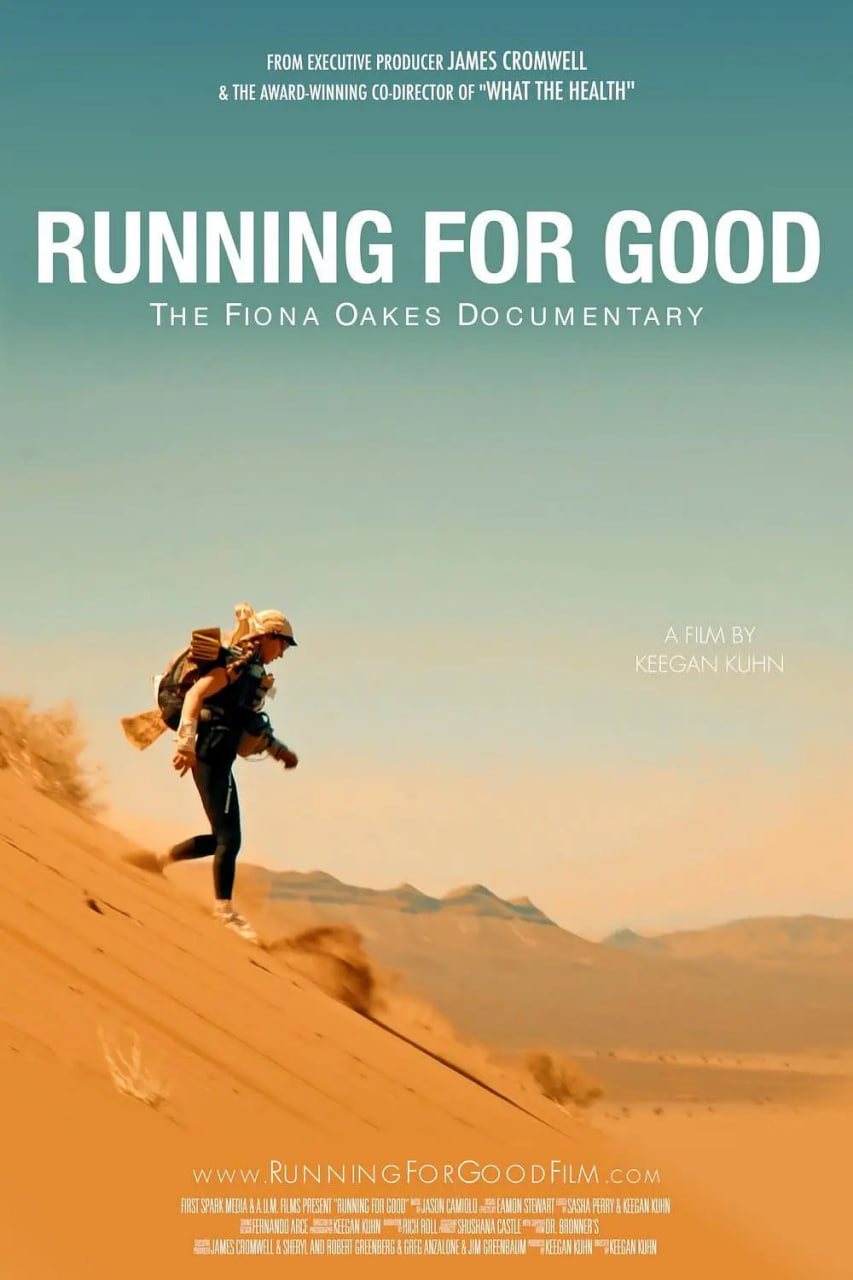
由执行制片人詹姆斯·克伦威尔和屡获殊荣的导演基根·库恩(《奶牛阴谋》、《健康真相》)联袂打造的纪录长片《为善奔跑》由里奇·罗尔(《寻找极限》)担任旁白,讲述了马拉松世界纪录保持者菲奥娜·奥克斯挑战极限的故事。她不仅要创造新的耐力赛世界纪录,还要参加“地球上最艰难的跑步比赛”——撒哈拉沙漠马拉松,这是一场穿越撒哈拉沙漠的250公里赛事。菲奥娜·奥克斯是一位独一无二的耐力跑者,她以累计时间和用时两项纪录,成为世界上跑遍七大洲和北极点马拉松速度最快的女性。更令人惊叹的是,菲奥娜在14岁时曾被告知她永远无法正常行走,更遑论跑步。她经历了超过17次膝盖手术,最终右膝髌骨被完全切除。这个过程痛苦不堪,康复过程更加艰难,而她之后创造的纪录则更加令人惊叹。菲奥娜克服了自身的逆境,她追求速度和耐力极限的真正动力源于她内心深处对动物困境的关注。她的成就帮助资助了一个拥有450多只动物的动物保护区,她每天都在那里照顾它们。
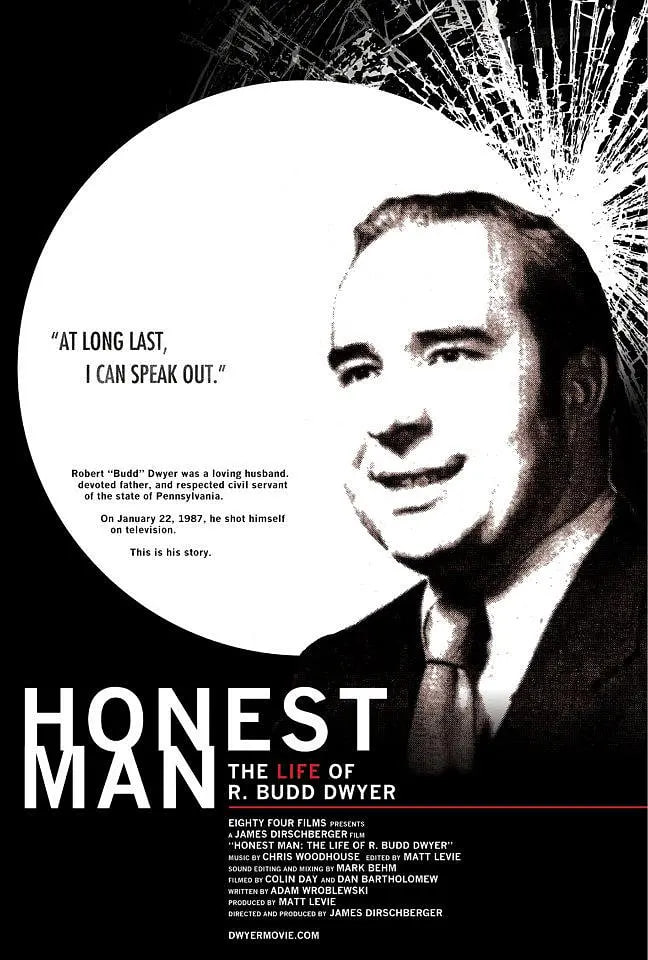
80年代的宾夕法尼亚腐败横行,州财务官Dwyer被指控在一项会计专案中收受贿赂,而他坚称自己是无辜的。最终他因相关指控面临最高55年的监禁。在宣判前一天的新闻发布会上他举枪自杀,为了证明自己的清白,也为了为妻儿保住自己的抚恤金。这部纪录片讲述的就是他生前身后的故事。
过去的遗物隐藏着秘密,刻在黄金、石器和鲜血之上,我们可以解锁,这是历史最伟大宝藏的秘密。一座和到来同样突然地消失的古城发生了什么?一张耶稣时代的藏宝图,有60个藏宝处,它们在哪儿?培尔-拉美西斯,消失在历史中的城市,神秘的命运终于被揭开。年轻国王图坦卡蒙的墓穴带着吸引了全世界想象力的黄金宝藏,然而墓穴满是阻碍学者们的谜团。基督教的终极遗物无缘无故就失踪了,我们的调查员会在古文献和掩埋的废墟中查找线索,来揭开全新的发现。希腊哲学家柏拉图记录的传说,亚特兰蒂斯,真的存在吗?
新晋画家阿波隆妮亚透过绘画女性画像,思考身体政治。丹麦导演莉雅格洛就用摄像机,对准阿波隆妮亚,勾画出她的肖像,揭示她跌宕起伏的成长,以及自我探索的挣扎。拍摄历时十三年,记录像她这样别具一格的女子经历过的爱与痛、喜与悲、疑惑与笃定、放浪与流离,面对生与死,又如何在男性主导的艺术圈子站稳脚步。导演的镜头也反顾自身,以极其迷人的私密纪录,反映当代女性的某些精神面貌与生存状态。阿姆斯特丹纪录片电影节最佳影片。
该剧探讨了 2022 年爱达荷大学杀人事件,跟踪报道了受害者家属和朋友的善后情况。
2010年巴黎现代艺术博物馆抢劫案背后的窃贼用他自己的话讲述了他如何完成法国历史上最大的艺术品劫案。
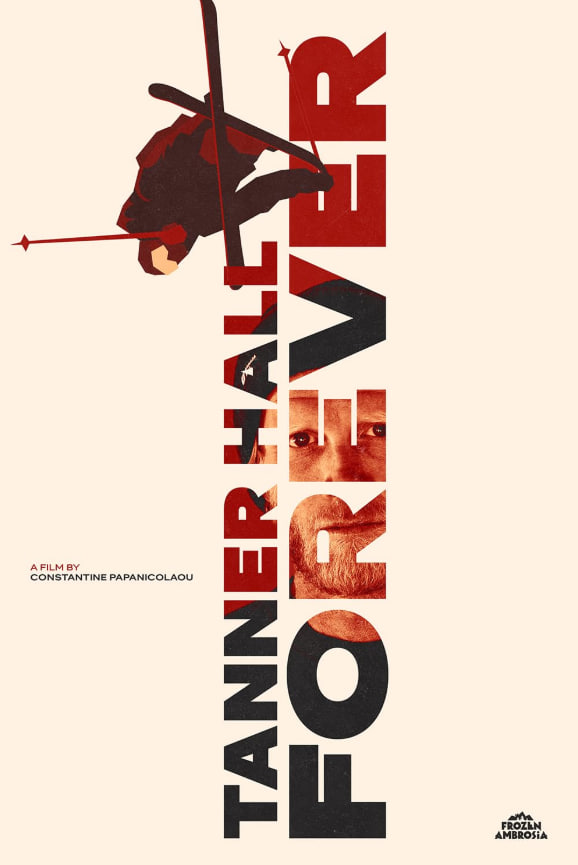
凭借七枚冬季极限运动会金牌和长达二十年的职业生涯,坦纳·霍尔已成为滑雪运动的偶像和传奇人物。如今,35岁的他决定参加自由式滑雪世界巡回赛;这是一个五站的巡回赛,评判标准是滑雪者在崎岖不平、未经修整的地形上滑行的能力。坦纳从未参加过自由式滑雪比赛,如今他开启了职业生涯的新篇章,努力挑战衰老身体的极限,同时直面过去最黑暗的记忆。
《激进行为:蕾妮·蒙哥马利》是一部关于蕾妮·蒙哥马利的励志专题纪录片,她是第一位既是 WNBA 球队共同所有者又是高管的前 WNBA 球员。蕾妮·蒙哥马利 (Renee Montgomery) 是两届 WNBA 冠军、体育广播员和活动家,目前是亚特兰大梦想队的共同所有人兼副总裁。这部新的专题纪录片深入描绘了蕾妮以及塑造她性格的经历,从在西弗吉尼亚州长大,到在康涅狄格大学赢得全国冠军,再到随明尼苏达山猫队两次夺得 WNBA 冠军。这部纪录片讲述了蕾妮从球员到管理层的转变,反映了家庭和社区如何帮助蕾妮的正直改变了游戏规则。
极具影响力的嘻哈团体Racionais MC's以音乐为武器,将他们的街头诗歌变成一场强有力的运动,在巴西乃至世界唱响他们的信念
Future of Food In the past year, we have seen food riots on three continents, food inflation has rocketed and experts predict that by 2050, if things don't change, we will see mass starvation across the world. This film sees George Alagiah travel the world in search of solutions to the growing global food crisis. From the two women working to make their Yorkshire market town self-sufficient to the academic who claims it could be better for the environment to ship in lamb from New Zealand, George Alagiah meets the people who believe they know how we should feed the world as demand doubles by the middle of the century. 【India】 George joins a Masai chief among the skeletons of hundreds of cattle he has lost to climate change and the English farmer who tells him why food production in the UK is also hit. He spends a day eating with a family in Cuba to find out how a future oil shock could lead to dramatic adjustments to diets. He visits the breadbasket of India to meet the farmer who now struggles to irrigate his land as water tables drop, and finds out why obesity is spiralling out of control in Mexico. Back in Britain, George investigates what is wrong with people's diets, and discovers that the UK imports an average of 3000 litres of water per capita every day. He talks to top nutritionist Susan Jebb, DEFRA minister Hilary Benn and Nobel laureate Rajendra Pachauri to uncover what the future holds for our food. 【Senegal】 George heads out to India to discover how a changing diet in the developing world is putting pressure on the world's limited food resources. He finds out how using crops to produce fuel is impacting on food supplies across the continents. George then meets a farmer in Kent, who is struggling to sell his fruit at a profit, and a British farmer in Kenya who is shipping out tonnes of vegetables for our supermarket shelves. He also examines why so many people are still dying of hunger after decades of food aid. Back in the UK, George challenges the decision-makers with the facts he has uncovered - from Oxfam head of research Duncan Green to Sainsbury's boss Justin King. He finds out why British beef may offer a model for future meat production and how our appetite for fish is stripping the world's seas bare. 【Cuba】 In the final episode George Alagiah heads out to Havana to find out how they are growing half of their fruit and vegetables right in the heart of the city, investigates the 'land-grabs' trend - where rich countries lease or buy up the land used by poor farmers in Africa - and meets the Indian agriculturalists who have almost trebled their yields over the course of a decade. George finds out how we in this country are using cutting-edge science to extend the seasons recycle our food waste and even grow lettuce in fish tanks to guarantee the food on our plates. He hears the arguments about genetically modified food and examines even more futuristic schemes to get the food on to our plates.